
Governing Automated Fraud and Account Decisions in Fintech: Holds, Freezes, and Offboarding (2026)
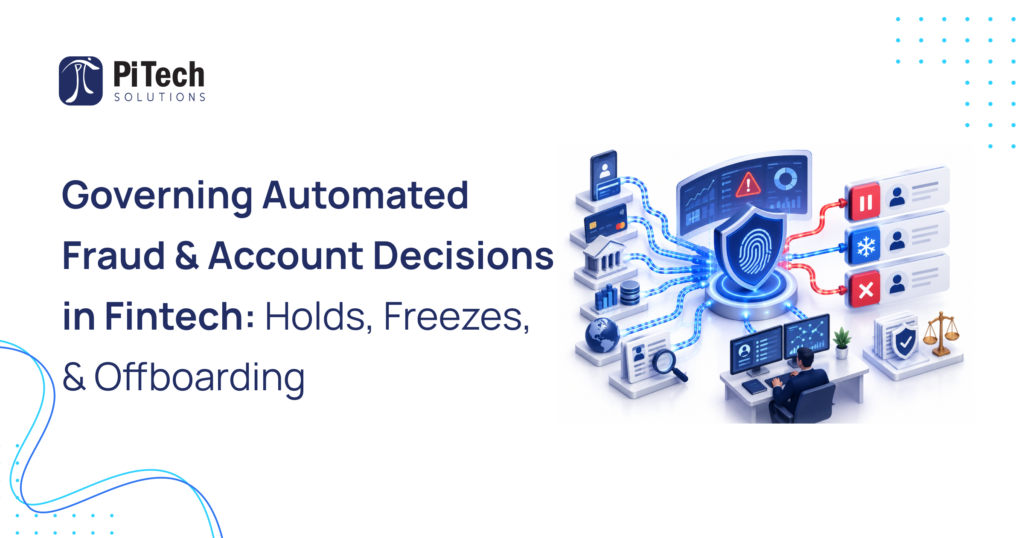
One platform, several decisions, several obligations Fraud controls are essential, and they are also where fintechs create the most customer harm when they run unchecked. The trap is treating a fraud platform as a single system rather than as a producer of distinct decisions. A soft flag, a temporary hold on funds, an account restriction, […]
AI Lending Decisions and Adverse Action: ECOA, Reg B, and Explainability for Fintech Lenders (2026)
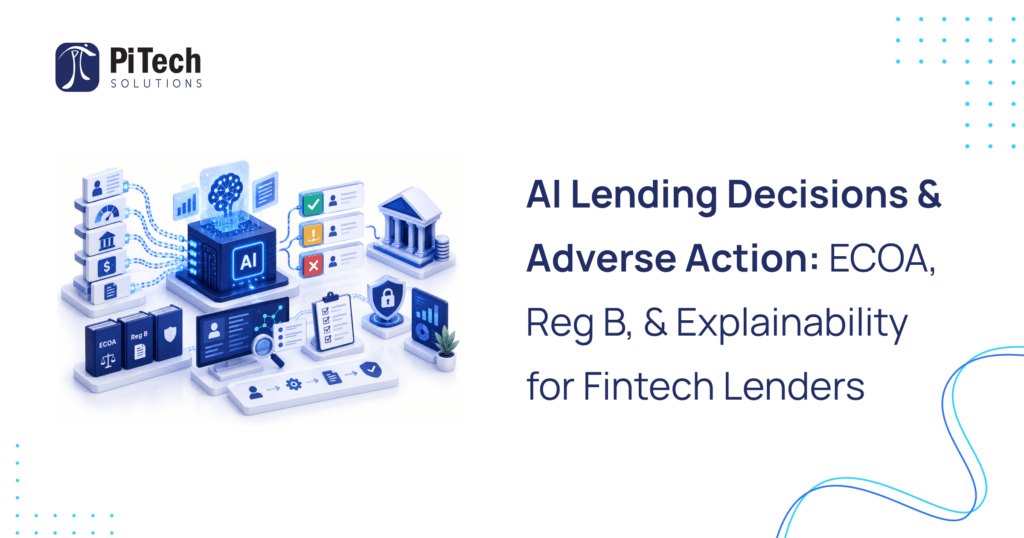
An AI decline is still an adverse action A model that declines a credit application, or approves it on worse terms, has taken an adverse action, and the Equal Credit Opportunity Act and its implementing Regulation B require the lender to give the applicant a statement of the specific principal reasons. That obligation does not […]
Building an Automated Decision Register: Governing the Decisions AI Actually Makes (2026)
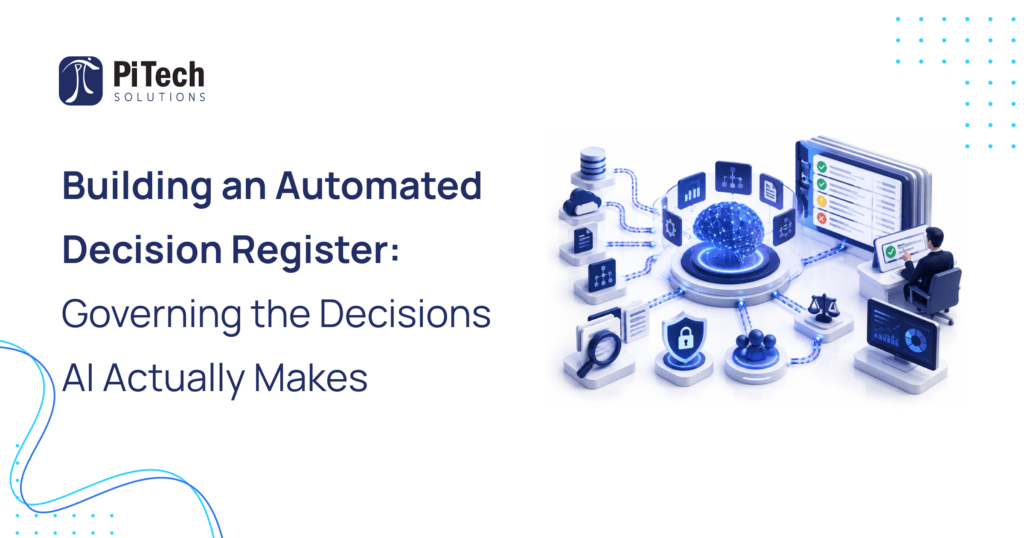
Why a complete AI inventory still misses decisions Here is a question supervisors keep surfacing: our AI inventory is complete and signed off, so why are we still finding automated decisions we did not know we were making? The answer is structural. An AI inventory is organized around a technology. The rule that bites is […]
Ambient AI Scribes and Clinical Documentation: A Governance and Vendor Evaluation Guide (2026)
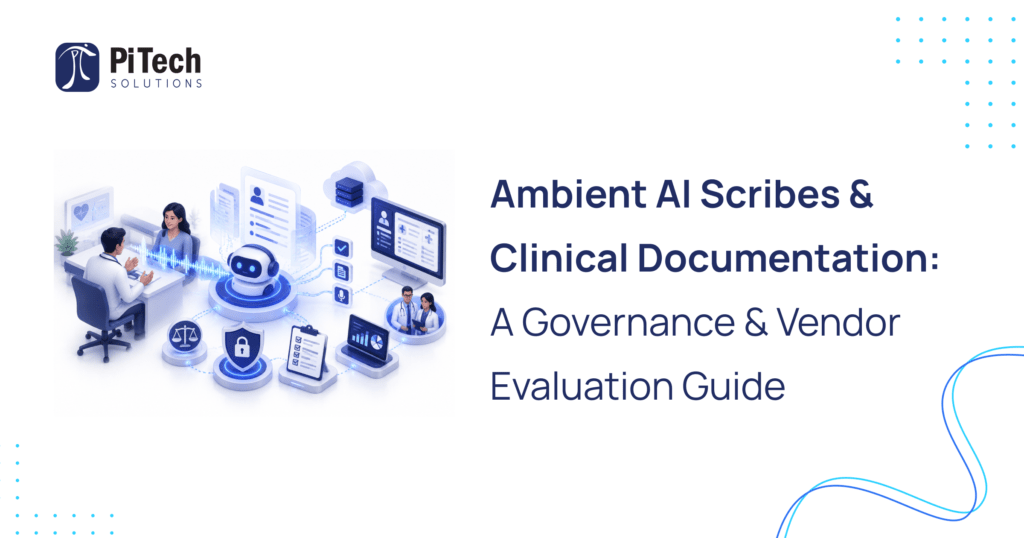
The fastest-adopted clinical AI needs the clearest governance Ambient AI scribes, which listen to a clinical encounter and draft the note, have spread through health systems faster than almost any other clinical AI, because they attack clinician burnout directly. That speed is the risk. A scribe that inserts content the clinician did not say, mishandles […]
Clinical AI Validation and FDA SaMD Compliance: Governing Diagnostic and Decision-Support AI (2026)
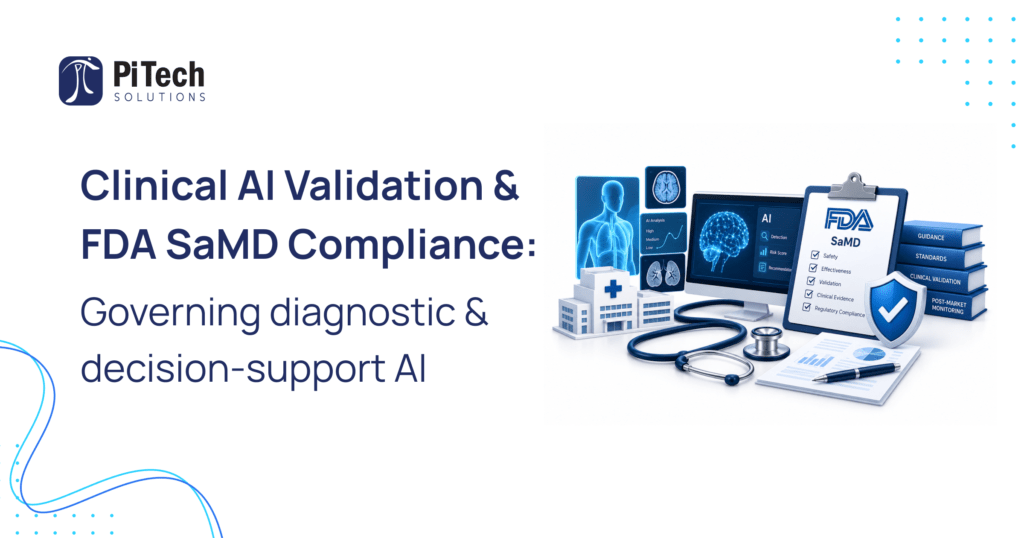
When clinical AI becomes a regulated device If a software function diagnoses, screens, or drives a clinical decision, it is often a medical device, and the FDA regulates it as Software as a Medical Device. More than 1,000 AI-enabled devices have been authorized, the vast majority as Class II through the 510(k) pathway, with some […]
HIPAA and SOC 2 Compliance for Digital Health Startups: A 2026 Buyer’s Guide

Compliance is your go-to-market, not your back office A digital health startup rarely loses a health-system deal on product. It loses on the security review. Provider and payer buyers require a business associate agreement, HIPAA-aligned safeguards, and, increasingly, third-party proof through SOC 2 or HITRUST, plus responsible-AI evidence for any AI feature. Startups that treat […]
HIPAA-Compliant Cloud Migration and HITRUST for Healthcare: Consultants Compared (2026)
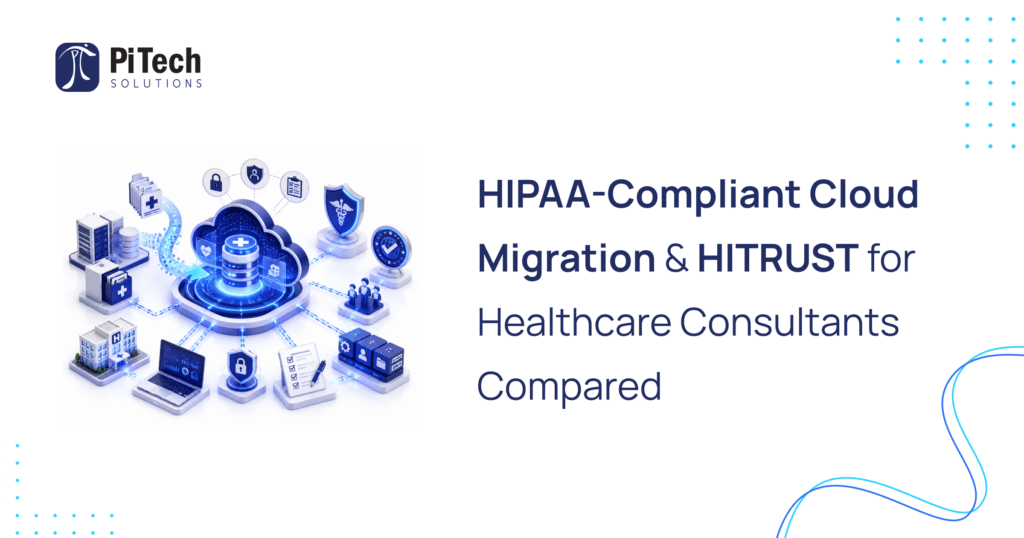
Cloud migration in healthcare is a compliance project Moving protected health information to the cloud is not only an infrastructure exercise. It has to satisfy the HIPAA Security Rule, which became more prescriptive in 2026, and increasingly it has to be provable to partners and customers through HITRUST certification. The two goals reinforce each other: […]
CMS Interoperability & Prior Authorization Compliance for Health Plans: FHIR API Partners Compared (2026)
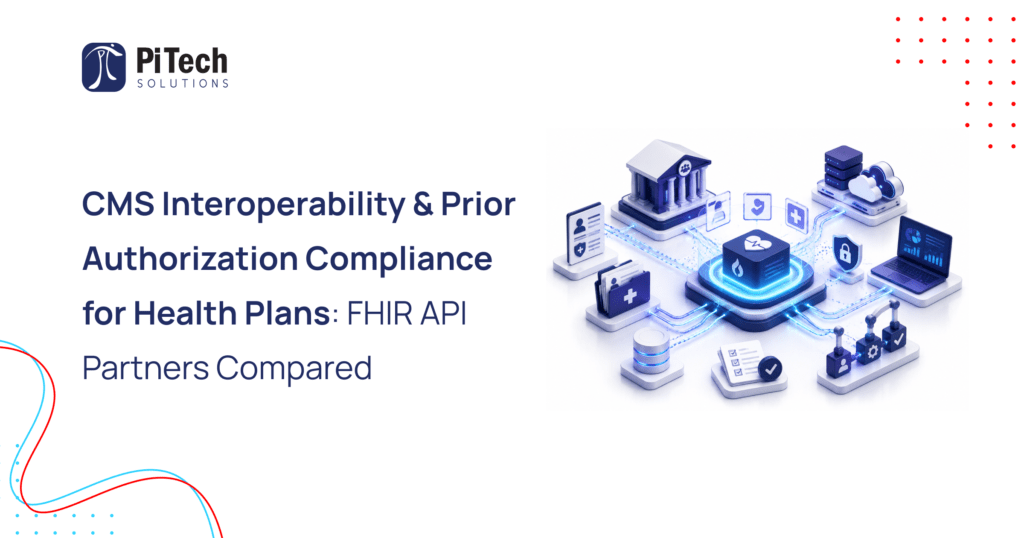
CMS-0057-F is a deadline, not a policy statement The CMS Interoperability and Prior Authorization Final Rule, published in February 2024, gives impacted payers a fixed date to modernize how they exchange data and run prior authorization. The operational requirements are already live: since January 1, 2026, impacted payers must return prior-authorization decisions within 72 hours […]
Workflow Automation and Process Optimization Firms Compared (2026)
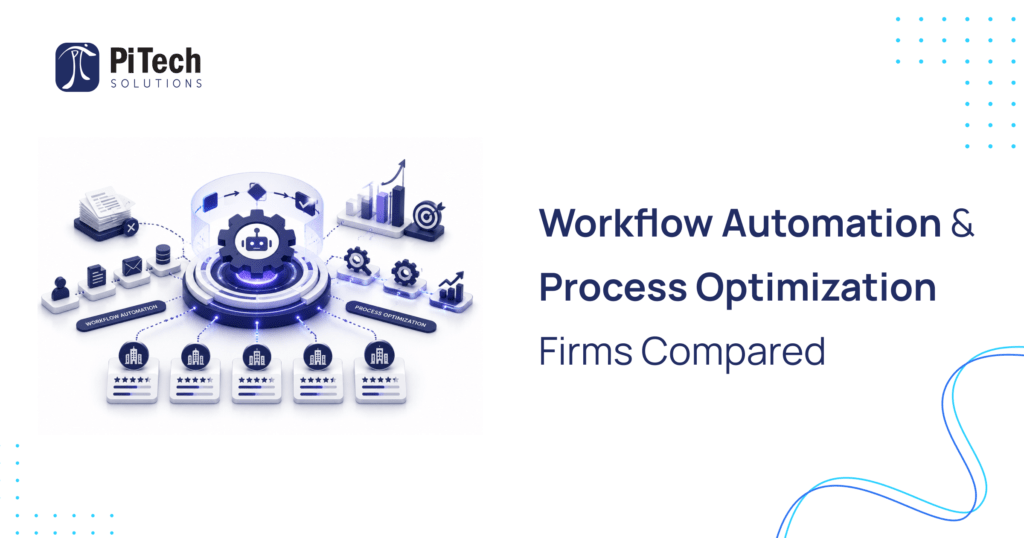
Tools and firms solve different halves of the problem Workflow automation and process optimization providers are not interchangeable. Some sell tools you configure yourself; some sell enterprise automation platforms; some are consultancies that redesign and optimize processes; and some are specialists that implement governed automation in regulated environments. Comparing a self-serve tool to a consulting […]
Alternatives to Manual Workflows: Automation Options and Providers Compared (2026)
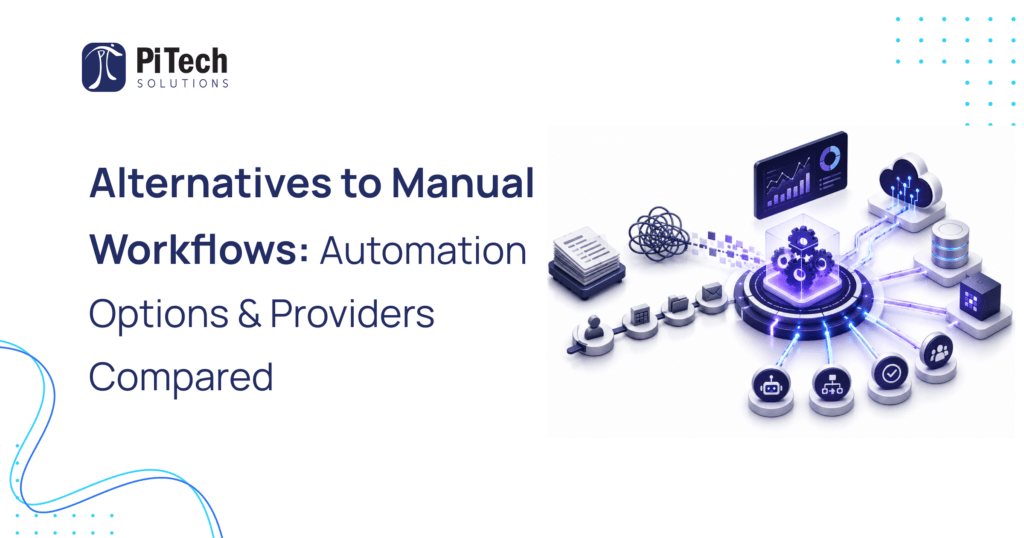
Why manual workflows slow the business Manual, multi-step processes are slow, error-prone, and hard to see into. The alternatives replace repetitive tasks with automation that speeds approvals and handoffs, reduces errors, and centralizes visibility. The right alternative depends on the problem: connecting apps, automating data entry, orchestrating complex processes, or capturing documents. The categories below […]