




UseCase

BSA/AML Data Engineering

PiTech engineers AML data infrastructure from source system to alert integrating transaction feeds across all product channels, unifying customer due diligence data into a single risk profile, connecting real-time sanctions screening, and deploying pre-investigation enrichment that reduces false-positive alert volumes 30–50% and investigator time per alert 40–60%.

30–50%

False-positive alert reduction

Real-time

Sanctions screening integration

FinCEN CDD

Rule compliant data model

40–60%

Investigator time reduction per alert

Client Snapshot

Industry

Banking & Financial Services

Solution

Data Solutions | AI, GenAI & ML

Complexity

High

Delivery

Implementation + Integration

The Problem

BSA/AML compliance is one of the most data-intensive obligations in regulated financial services. FinCEN expects institutions to maintain current CDD data, execute transaction monitoring across all product channels, and file SARs within defined timeframes. The data infrastructure underlying AML programs at most mid-tier institutions is fragmented: transaction data siloed across multiple core systems, CDD data spread across onboarding, KYC refresh, and CRM platforms, and sanctions screening data not reconciled with customer records in real time.

The majority of false-positive AML alerts are driven by data quality failures  incomplete customer profiles, stale sanctions screening matches, and missing transaction context. Addressing data quality at the source reduces alert noise faster and more durably than model tuning alone. FinCEN enforcement actions for BSA/AML deficiencies regularly reach nine-figure amounts for major institutions  and the root cause in most consent orders is inadequate supporting data infrastructure, not intentional non-compliance.

Ready to Start?

Schedule a BSA/AML Data Infrastructure Assessment

Get a candid analysis of your AML data gaps, false-positive drivers, and remediation roadmap specific to your channel mix and core systems.

$553M

paid in BSA/AML enforcement penalties across US financial institutions in a 12-month period, per FinCEN records. Most enforcement actions trace to data failures in the underlying AML infrastructure — incomplete CDD, missed transaction aggregation, and stale screening matches that produced SAR filing failures or investigation gaps.

How PiTech Delivers

01

Multi-Channel Transaction Data Integration

Transaction feeds from deposits, payments, wire, ACH, card, and lending channels integrated into a unified transaction monitoring data model. No channel exclusions that create monitoring blind spots that examiners will identify as structural AML program gaps.

02

Unified Customer Risk Profile

CDD, KYC refresh, beneficial ownership, and behavioral data combined into a single customer risk profile. Beneficial ownership data modeled to satisfy FinCEN CDD Rule requirements  legal entity hierarchy, UBO identification, and ownership percentage from onboarding and periodic refresh workflows.

03

Real-Time Screening and Adverse Media Integration

OFAC and global sanctions screening connected in real time with customer record linkage. Adverse media and negative news API integration with ongoing monitoring through the customer lifecycle replacing batch-processed screening lists that are stale within hours of update.

04

Pre-Investigation Enrichment Pipeline

Alert investigation templates pre-populated with relevant customer, transaction, relationship, and screening data before the alert reaches an investigator. Investigators review structured context and make judgment calls  not spend time manually assembling data before investigation can begin.

Proven Outcomes

30–50%

False-positive alert reduction through data quality improvements

40–60%

Investigator time reduction per alert through enrichment automation

18+ yrs

Banking technology experience FinCEN, BSA/AML, and data engineering depth

Proven Outcomes

18+

Years in Regulated Industries

What You Gain

30–50%

False-positive alert reduction through data quality at the source

Real-time

Sanctions screening replacing batch processing with stale match lists

FinCEN

CDD Rule compliant beneficial ownership data model

40–60%

Investigator time reduction per alert through pre-investigation enrichment

What's Included

Multi-channel transaction integration

Multi-channel transaction integration

Deposits, payments, wire, ACH, card, and lending transaction feeds unified into single data model

Unified customer risk profile

Unified customer risk profile

CDD, KYC, beneficial ownership, and behavioral data combined in a single authoritative record

Real-time OFAC sanctions screening

Real-time OFAC sanctions screening

Global sanctions list integration with customer record linkage and change monitoring

Adverse media API integration

Adverse media API integration

Negative news feed with ongoing customer lifecycle monitoring and risk profile linkage

Transaction monitoring data model

Transaction monitoring data model

Supporting both rule-based and ML-based alert generation approaches on the same data foundation

Alert pre-enrichment pipeline

Fair lending monitoring module

Alert pre-enrichment pipeline

Investigation template pre-population with customer, transaction, and relationship context

FinCEN reporting pipeline

FinCEN reporting pipeline

CTR and SAR submission data pipeline with audit trail and filing deadline management

Frequently Asked Questions

Which transaction monitoring platforms does PiTech have integration experience with?

PiTech has data engineering experience integrating with NICE Actimize, Oracle FCCM, SAS AML, Quantexa, and Napier as well as custom alert management systems built on enterprise data platforms. The integration architecture is designed around the institution’s existing TMS rather than requiring platform replacement.

Most false positives arise from data gaps: incomplete customer profiles, missing transaction context, and stale screening matches that produce alerts for cleared entities. Addressing these at the data layer reduces alert noise before model tuning is required  producing faster and more durable improvements than model adjustment alone, because the root cause is data quality, not model quality.

PiTech designs beneficial ownership data models capturing legal entity hierarchy, UBO identification, and ownership percentage from onboarding workflows and periodic refresh processes integrated with the customer risk profile used for transaction monitoring. The data model is designed to satisfy FinCEN examination review of CDD Rule compliance.

A focused engagement integrating three to five source systems into a unified transaction monitoring data model typically runs 6–10 months from discovery to production. Broader programs covering full channel integration, unified customer risk profiles, and real-time screening run 12–18 months depending on source system complexity and data quality starting point.

Yes. PiTech architects the AML data infrastructure as an extraction and integration layer that pulls from existing core banking, lending, and payment systems via API or data feeds  without requiring core system replacement. The majority of AML data engineering improvements are achievable alongside existing core platforms.

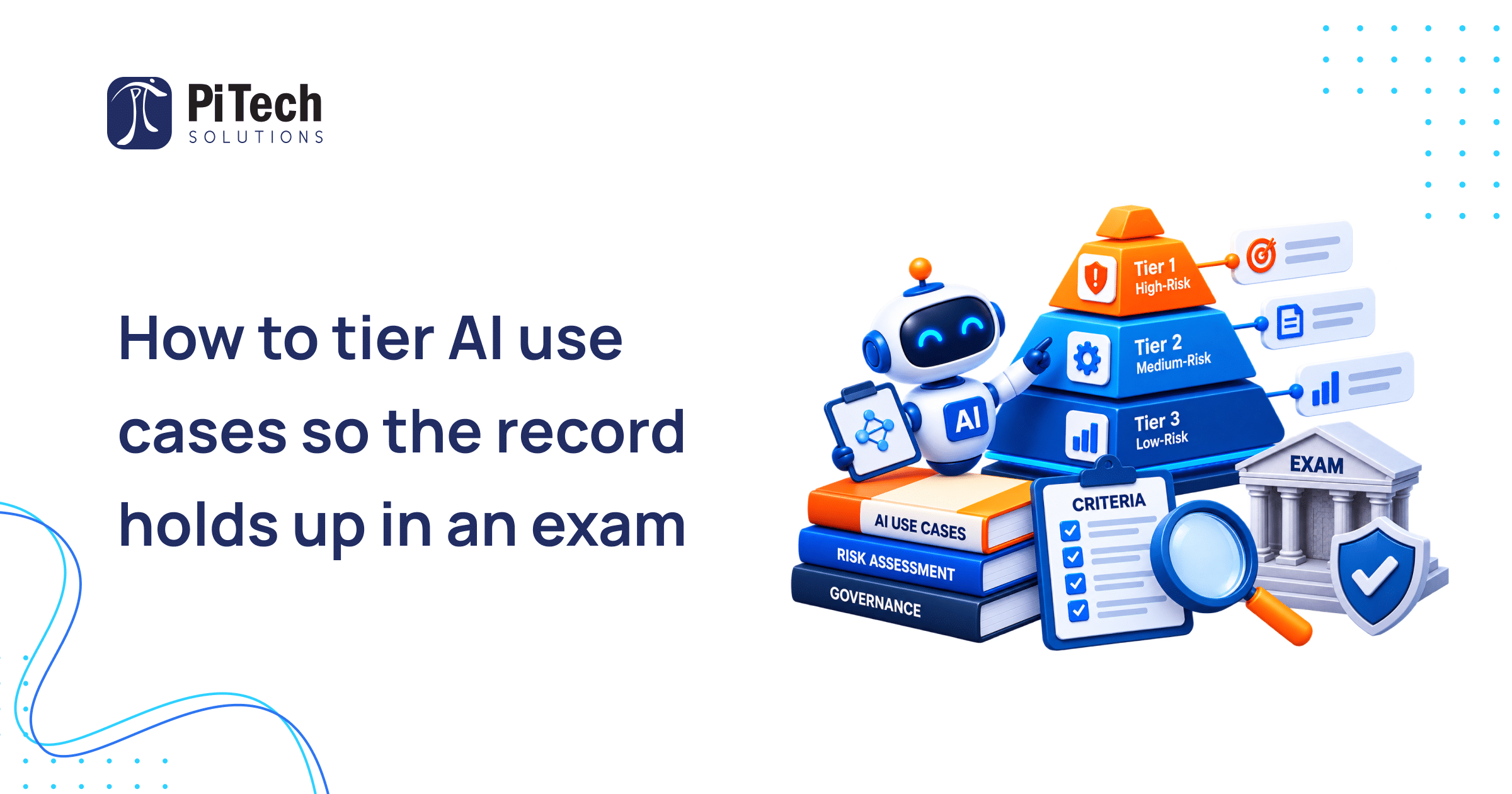
AI governance is not optional in 2026. PiTech builds programs that satisfy examiners, protect customers, and enable continued adoption.

Contact PiTech to begin with a governance maturity assessment specific to your model portfolio and regulatory environment.

Related Use Cases

Reach Our Customer Service Team

Contact Us