
Federal AI Governance and Use-Case Inventories: OMB M-25-21 and M-25-22 for Agencies and Contractors (2026)
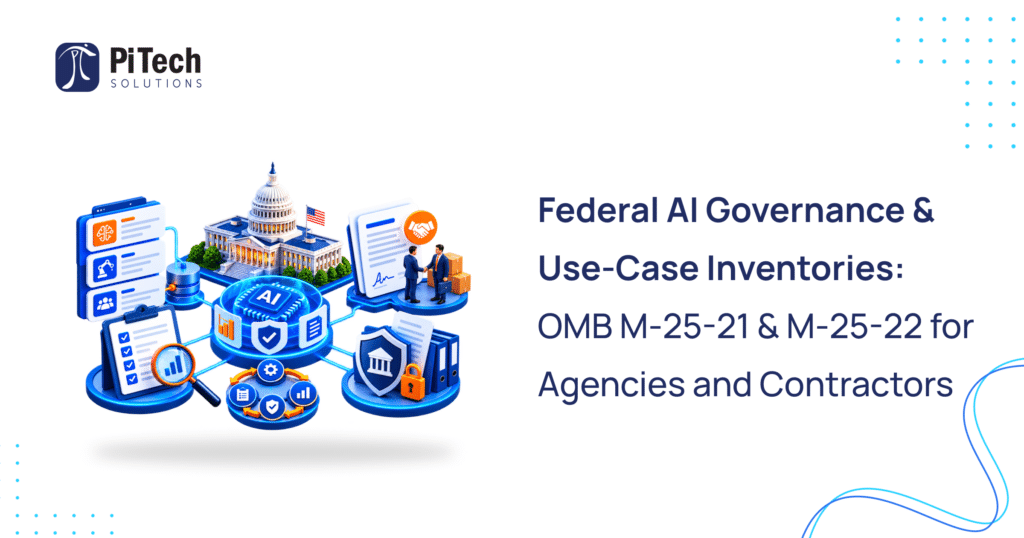
Two memos set the federal AI baseline On 3 April 2025, the Office of Management and Budget issued two companion memoranda that define federal AI governance: M-25-21, Accelerating Federal Use of AI through Innovation, Governance, and Public Trust, and M-25-22, Driving Efficient Acquisition of Artificial Intelligence in Government. They implement Executive Order 14179 and rescind […]
How to Tier AI Use Cases So the Record Holds Up in an Exam

The question State bank supervisors have published an optional worksheet that institutions and examiners can use to rate AI use cases by risk. How should an institution tier its AI so the record holds up in an exam? The Conference of State Bank Supervisors published the method on 16 September 2026 as part of its […]
How to Build an AI Claim Register

The question If a regulator asked tomorrow what your AI-enabled systems do, and asked you to prove it, what document would you hand over? Most organizations in regulated industries discover the answer is that no single document exists. A model inventory tells you what you are running. It does not tell you what you have […]
Governing AI in the Finance Function: SOX, Controls, and Auditable Decisions
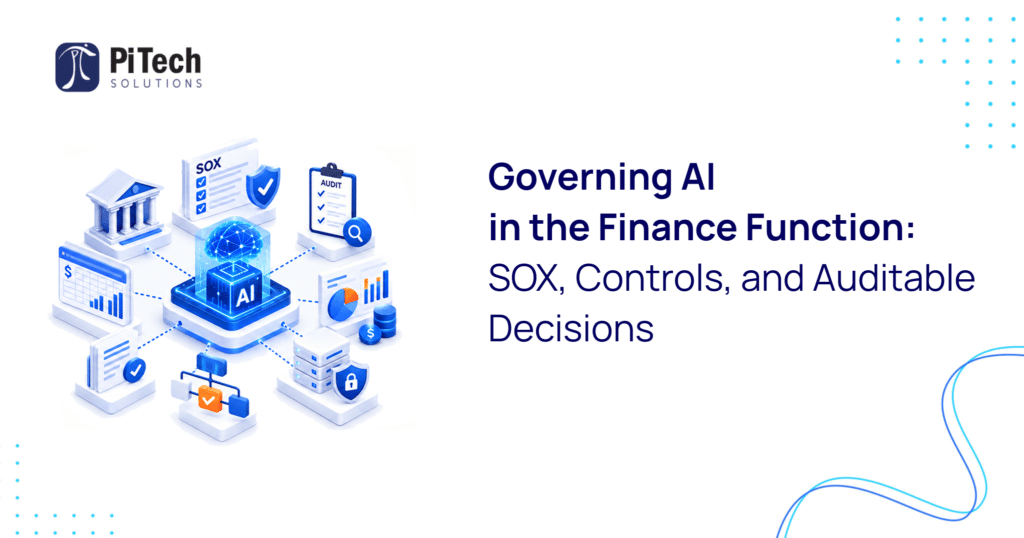
When AI touches a number, it touches ICFR AI is entering the finance function through the close, reconciliations, accruals and estimates, disclosures, and controls monitoring. The moment an AI system or an autonomous agent influences a figure that flows into the financial statements, it enters the scope of internal control over financial reporting, and the […]
AI in Insurance Underwriting and Pricing: Governing Unfair Discrimination Under the New Rules
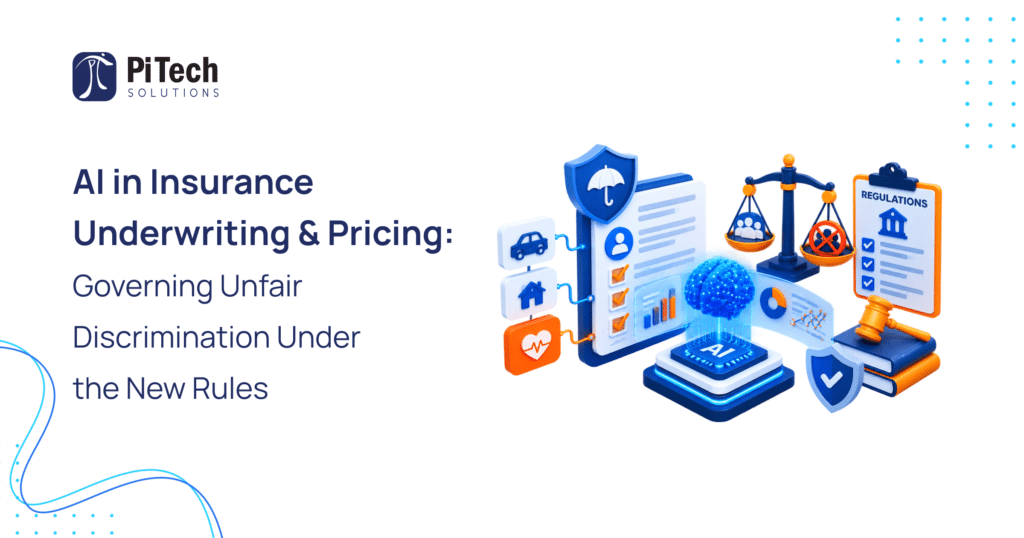
Where insurance regulators focus hardest Of all the ways insurers use AI, underwriting and pricing draw the sharpest regulatory attention, because those decisions determine who gets covered and at what price, and because a model can produce unfairly discriminatory outcomes even when race, and other protected characteristics are left out of the inputs. Proxies in […]
The Fintech AI and Model Inventory: Inherent-Risk Tiering for Customer Decisions
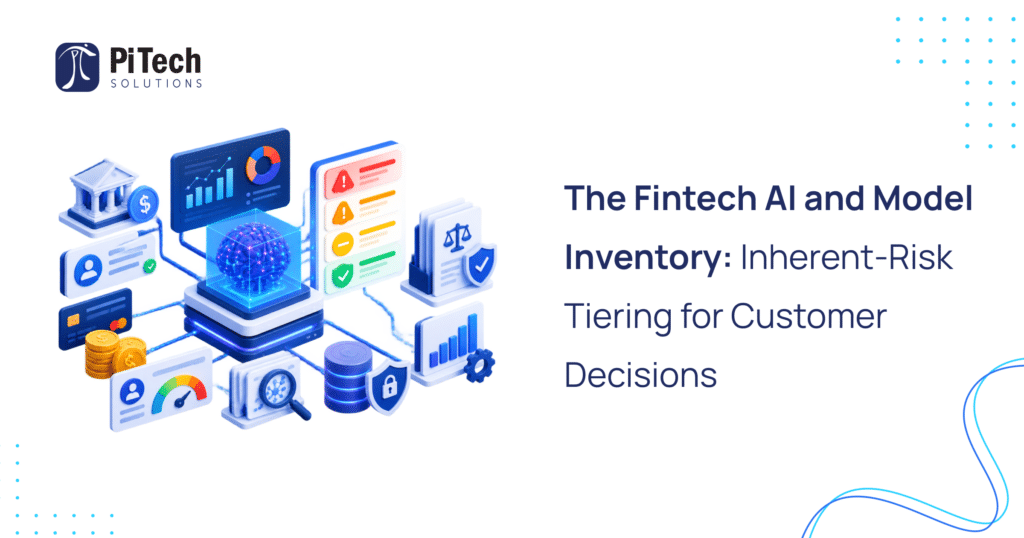
The model that is not on the model list Fintechs tend to inventory their machine-learning models and miss the rules engines, vendor scores, and embedded features that make equally consequential decisions. A hard-coded rule that freezes an account, a bought fraud score that triggers offboarding, or a pricing table nobody has revisited can decline, restrict, […]
Building a Healthcare AI Inventory: Scoring Inherent Risk by Clinical Decision
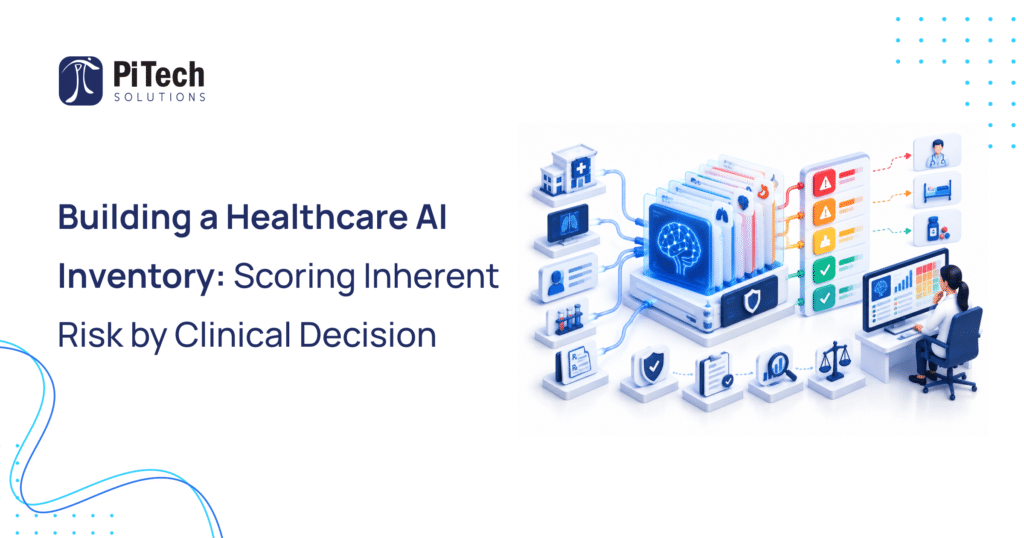
You cannot govern the AI you never listed Health systems are adopting AI faster than they are cataloguing it. Ambient documentation, triage and acuity tools, imaging support, coverage and prior-authorization aids, and a long tail of vendor features shipped inside existing software rarely sit on a single reviewable list. That gap is the exposure. When […]
Recording Inherent Risk in an AI Inventory: One Register, Two Ratings
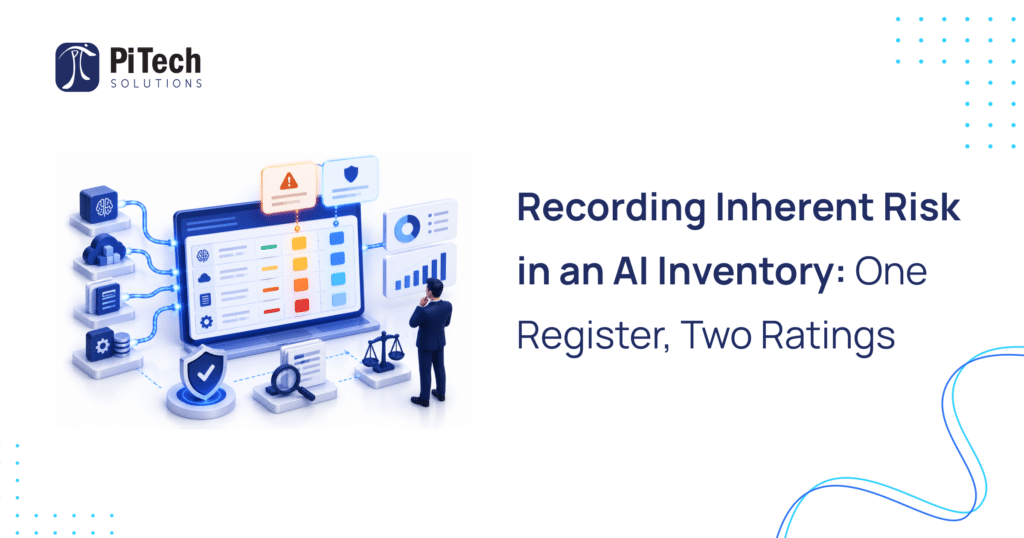
Why you cannot get inherent risk by subtraction Here is a question that arrives once a register matures: our AI register scores every system after controls are applied, and someone has started asking what the risk was before them. Can one inventory answer both? Yes, but not by subtraction. Where a register stores only the […]
BSA/AML Alert Adjudication: Cutting False Positives While Keeping Decisions Defensible (2026)
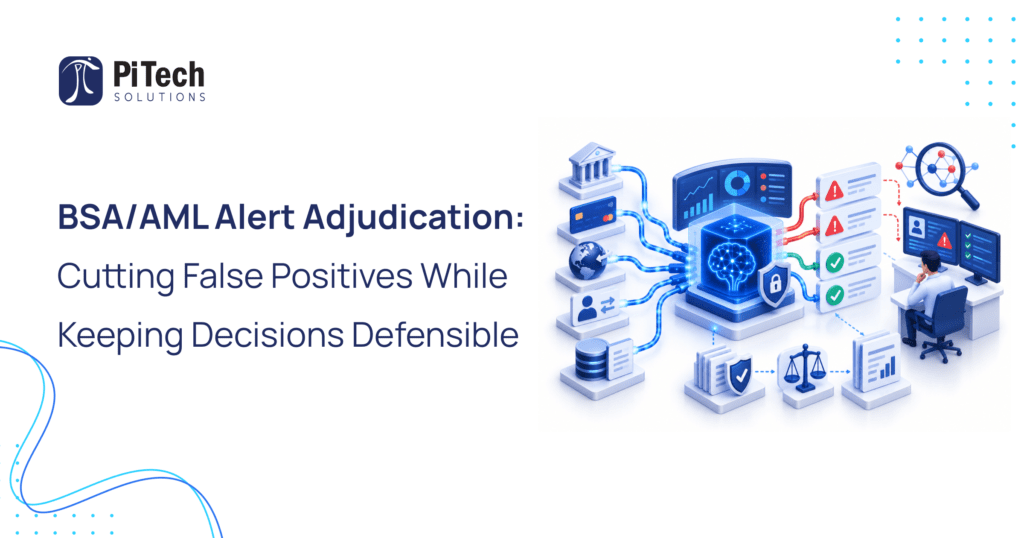
False positives are a data and decision problem Transaction-monitoring systems commonly generate alerts in volumes where the large majority are false positives, consuming investigator time without producing suspicious activity reports. The instinct is to tune aggressively and automate closures, and both are right, but each alert that is auto-closed or escalated is a decision that […]
Governing AI in Coverage and Utilization-Management Decisions: Denials, Human Review, and the New State Rules (2026)
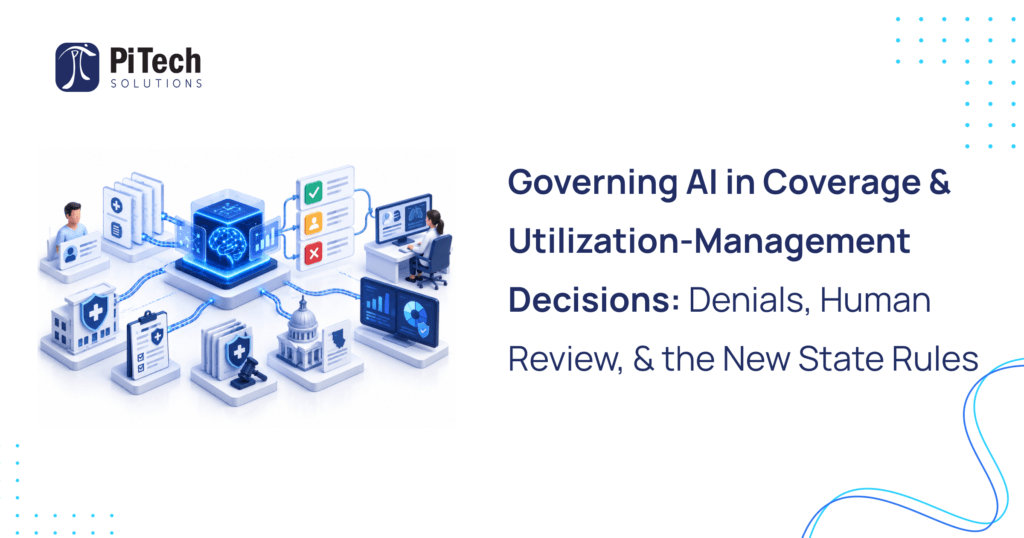
The denial decision now has rules of its own Health plans have used algorithms in utilization management for years, but the governance of the decision, not just the model, is now explicit law in a growing number of places. California’s SB 1120, the Physicians Make Decisions Act, took effect on 1 January 2025 and requires […]