
How to Tier AI Agent Use Cases Like an Examiner
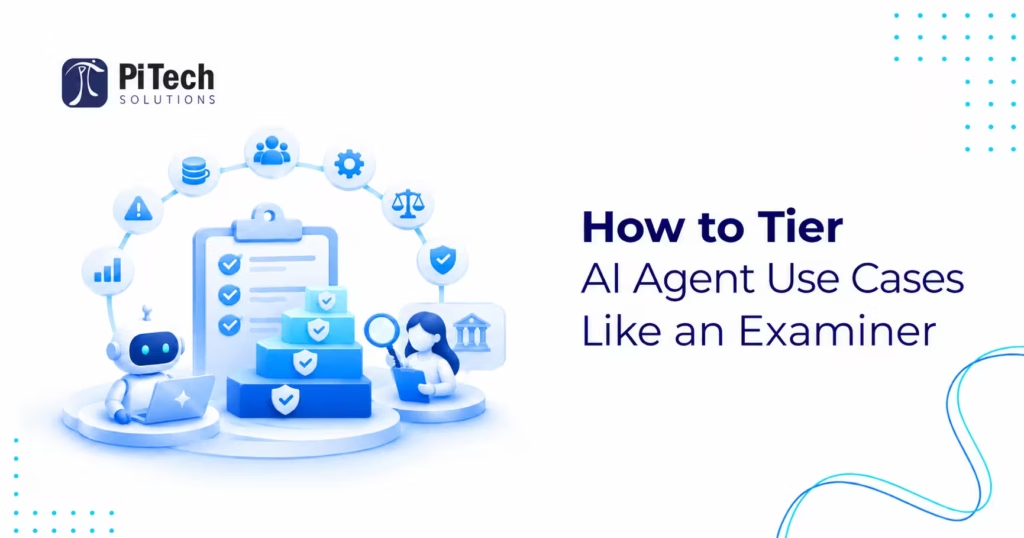
The question How should a bank, insurer, or health system sort its AI agents by risk so that the reasoning still holds up when a supervisor asks why one agent gets more controls than another? Until this month there was no federal reference point for that question. The April 2026 interagency model risk guidance, SR […]
What Your Clinical AI Vendor File Needs by January 2027
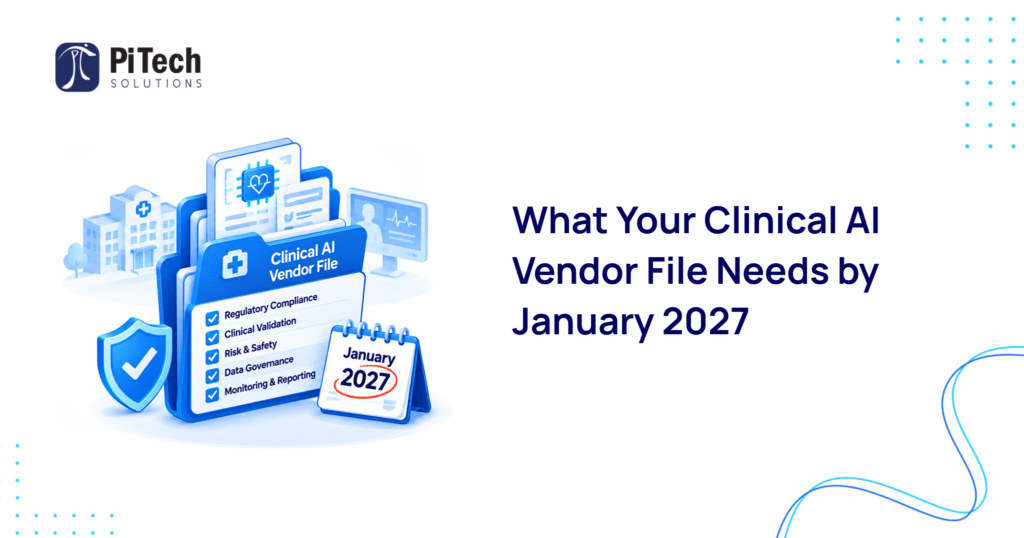
The question If a health system uses AI tools that inform patient care in California, what should it have in hand from each vendor before 1 January 2027? Two new California laws answer that question directly. SB 503 places documentation duties on developers of clinical decision support systems and monitoring duties on the facilities that […]
What Boards Should Ask About AI: Director-Level Oversight in Regulated Industries
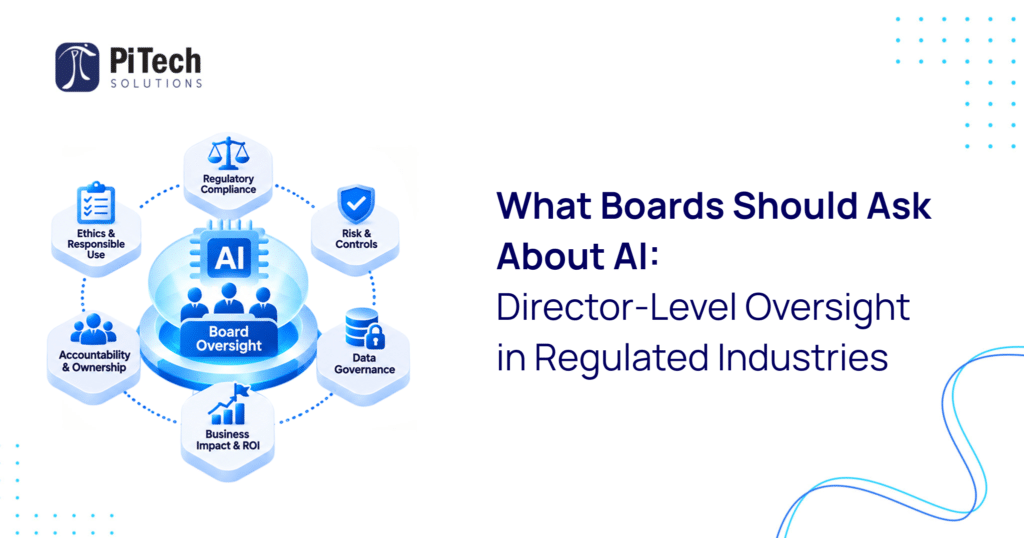
Oversight without the questions Boards in regulated industries now carry real accountability for AI oversight, from supervisory expectations that tie AI to senior-management and board responsibility to the simple reality that an AI failure lands on the board’s watch. Yet most directors are not technologists, and the briefings they receive often reassure without informing. The […]
AI Risk in M&A Due Diligence: What You Inherit When You Buy a Company
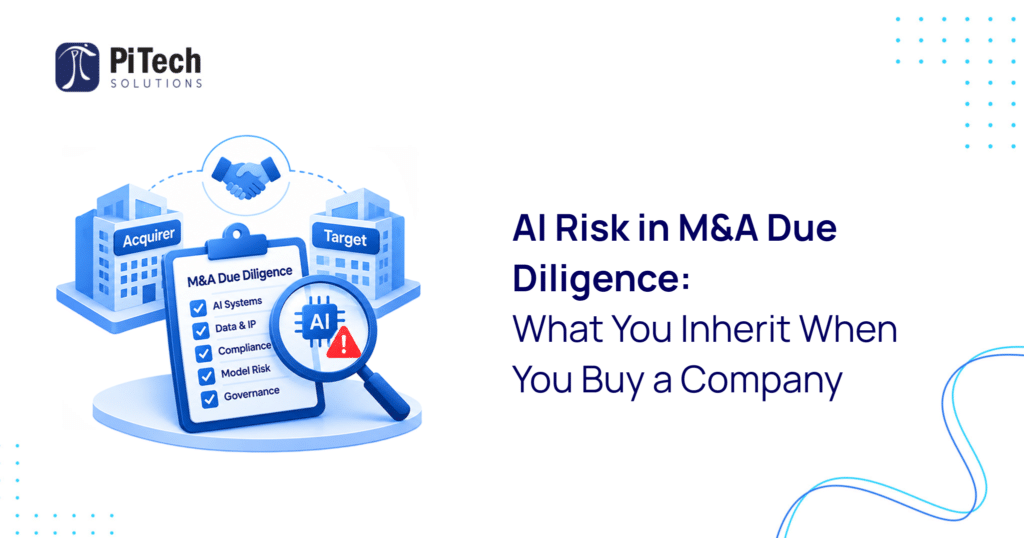
You buy the AI risk with the company An acquisition transfers more than products, people, and revenue. It transfers the target’s entire AI footprint: the models in production and the ones in spreadsheets, the claims the company has made to its own customers and regulators about what its AI does, the agents someone stood up […]
Non-Human Identity: Governing the Credentials Your AI Agents Act Under
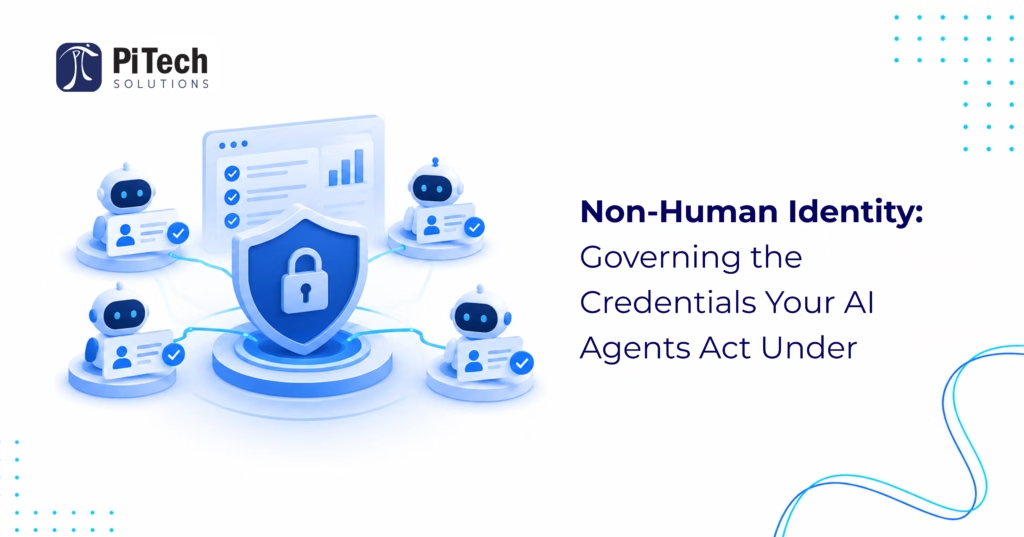
Agents do not log in; they authenticate as machines When a person uses a system, they sign in under a human identity that the organization provisions, monitors, and deprovisions. An AI agent does not. It acts under a non-human identity, a service account, an API key, a token, or a managed machine identity, and those […]
The AI Governance Operating Model: How to Run It, Not Just Document It
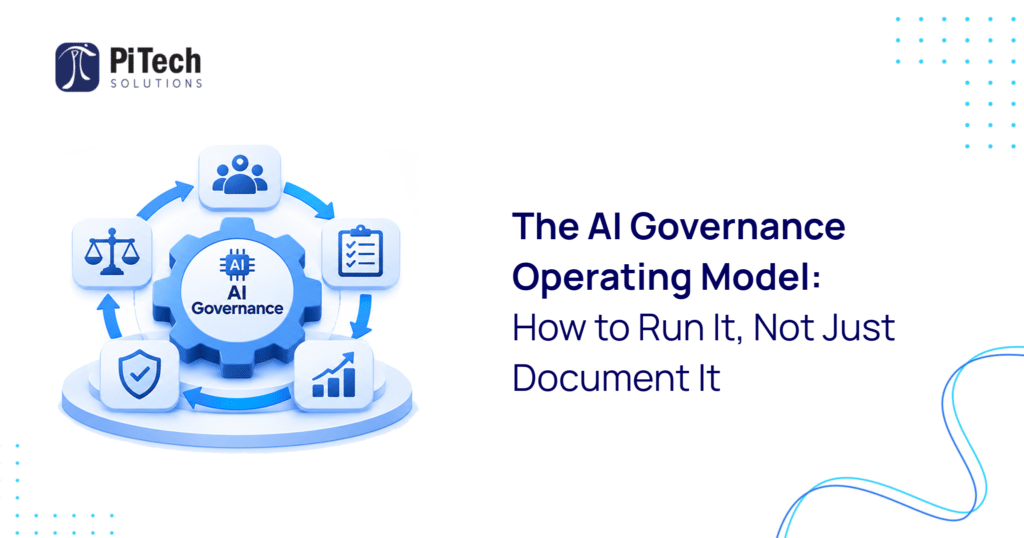
A policy is not an operating model Most regulated organizations now have an AI policy and have chosen a framework, often the NIST AI Risk Management Framework mapped to ISO 42001 and ISO 27001. What they frequently lack is the operating model: the running machinery that turns those documents into decisions. A framework says what […]
The Shadow Agent Problem: Finding the Autonomous AI You Never Approved
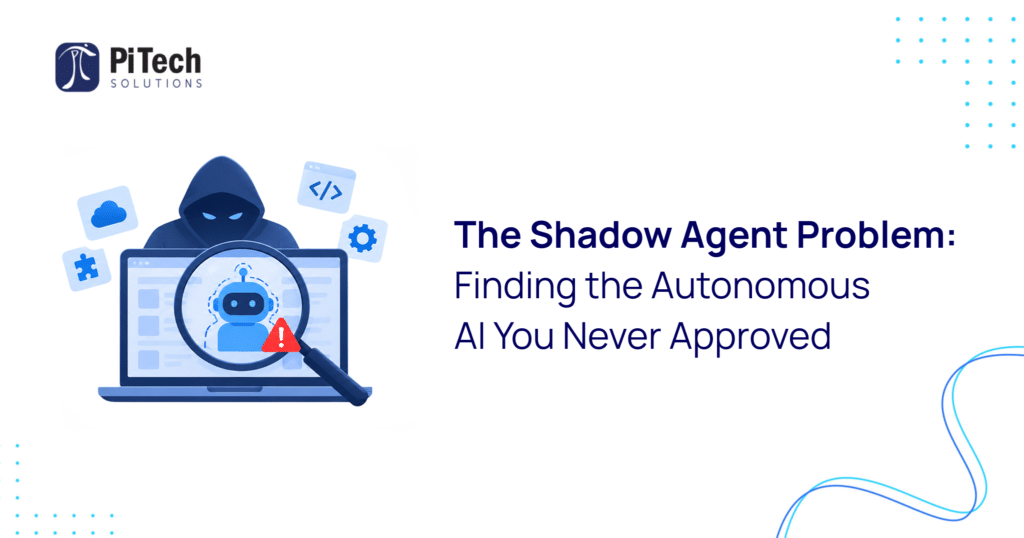
Shadow AI learned to act Shadow AI, the unsanctioned tools employees adopt on their own, is a known exposure: consumer chatbots that leak regulated data, free-tier writers fed loan memos or clinical notes. Shadow agents are the next turn of that problem. An agent does not just process data; it takes actions, calling systems, moving […]
Should Your EU Breach Playbook Change to 96 Hours?
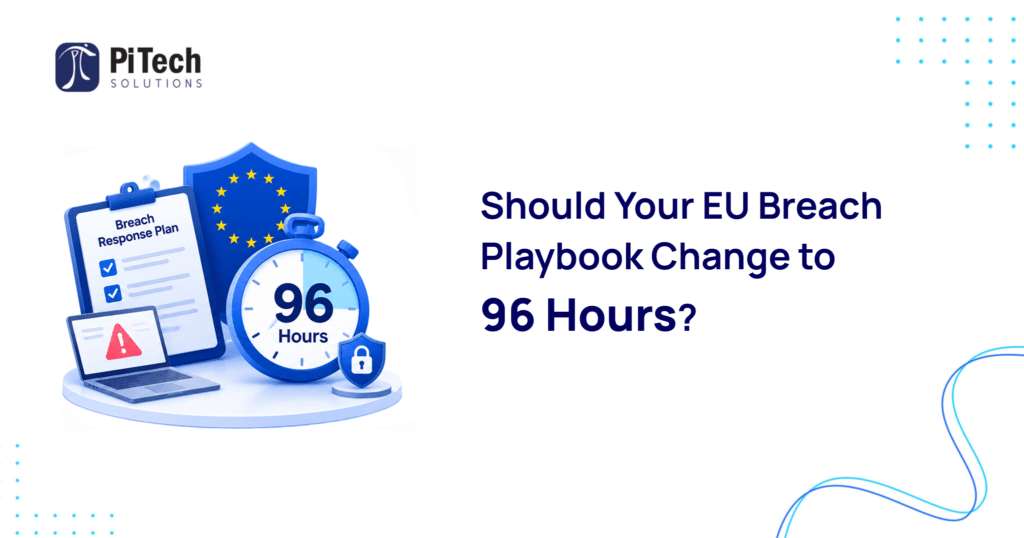
The question The question this week, from privacy, security, and risk teams with EU operations, is simple: the Council of the EU has backed a longer, narrower breach-notification rule, so should the incident-response playbook change? The short answer is not yet, but the design of the playbook should. This guide explains what binds today, what […]
AI Assurance and Independent Audit Readiness: Preparing for the AI Audit Market (2026)
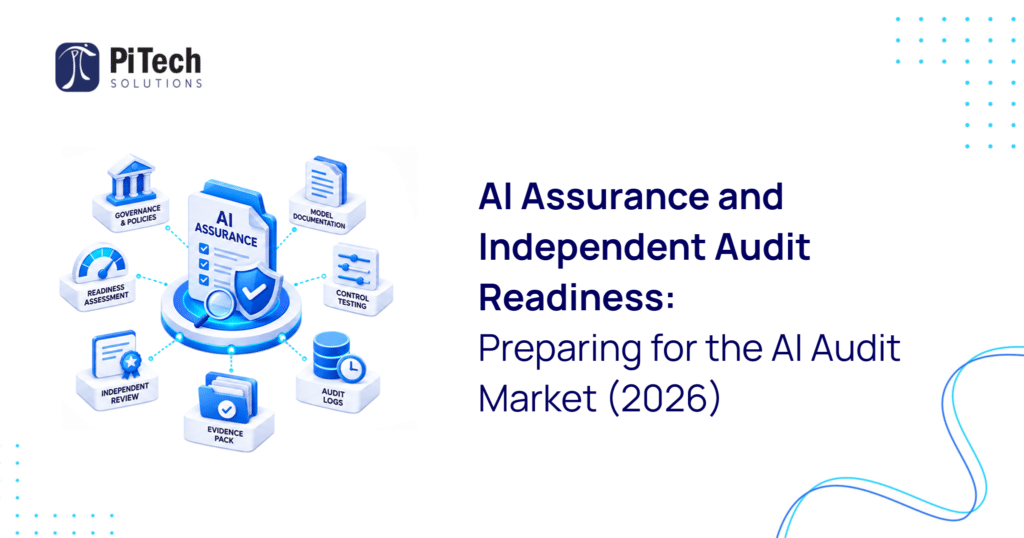
Independence is becoming a defined term For most of the AI governance era, assurance was a posture: an organization asserted that its AI was fair, accurate, and controlled. That is changing. Independence is becoming a defined function, with structure and, increasingly, registration behind it. California’s Governor signed Senate Bill 813 and Assembly Bill 1405 on […]
How to Prove You Can Shut Down an AI Agent
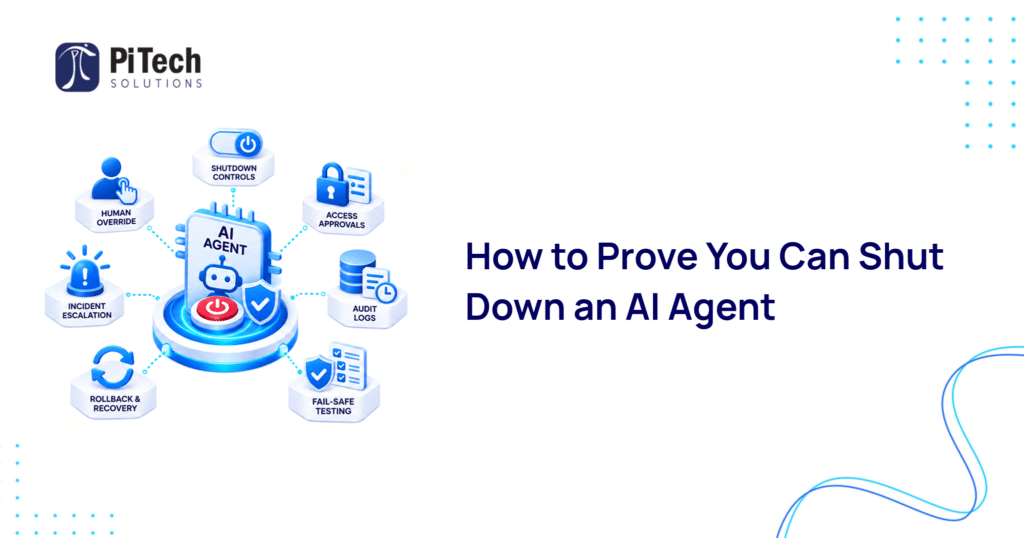
The question If a supervisor asks how your organization would shut down an AI agent, what do you actually hand over? The question is no longer hypothetical. On 13 October 2026, Reuters reported, citing six people familiar with the matter, that the Federal Reserve, the OCC, and the FDIC are asking banks of every size […]