What Boards Should Ask About AI: Director-Level Oversight in Regulated Industries
Oversight without the questions Boards in regulated industries now carry real accountability for AI oversight, from supervisory expectations that tie
Home > Industries Served > Healthcare


Military security protocols adapted from DHS and NIH engagements, protecting patient data, clinical systems, and third-party vendor networks against AI-powered ransomware and insider threats.
Every AI solution is built with HIPAA compliance from the ground up. As HHS AI governance frameworks solidify in 2026, PiTech ensures health systems are ahead of regulatory requirements — not scrambling to catch up.
From architecting AI-native infrastructure for new hospital campuses to integrating AI into legacy EHR environments post-merger — PiTech scales to your system's exact complexity and timeline.
Every engagement begins with a comprehensive architecture blueprint — defining data flows, security controls, integration points, and regulatory checkpoints before implementation begins.
Military-grade threat detection, endpoint protection, and AI-powered 24/7 SOC capabilities purpose-built for healthcare’s unique attack surface, including third-party vendor risk and legacy clinical systems.
Automated HIPAA and HITECH compliance monitoring, audit trail generation, and AI governance frameworks aligned with emerging HHS standards eliminating manual compliance burden and OIG audit risk.
Close the 48-point gap between AI introduction and RCM integration automating prior authorization, claims processing, coding, and denial management with measurable revenue impact from day one.
For new campus builds like Atrium Fort Mill and AdventHealth Tampa design AI-native clinical workflow systems, patient flow management, and data architecture from the ground up before legacy constraints exist.
Agentic AI that automates EHR data migration, clinical workflow alignment, and regulatory compliance across newly acquired facilities — enabling health systems like HCA and Novant to scale acquisitions faster.
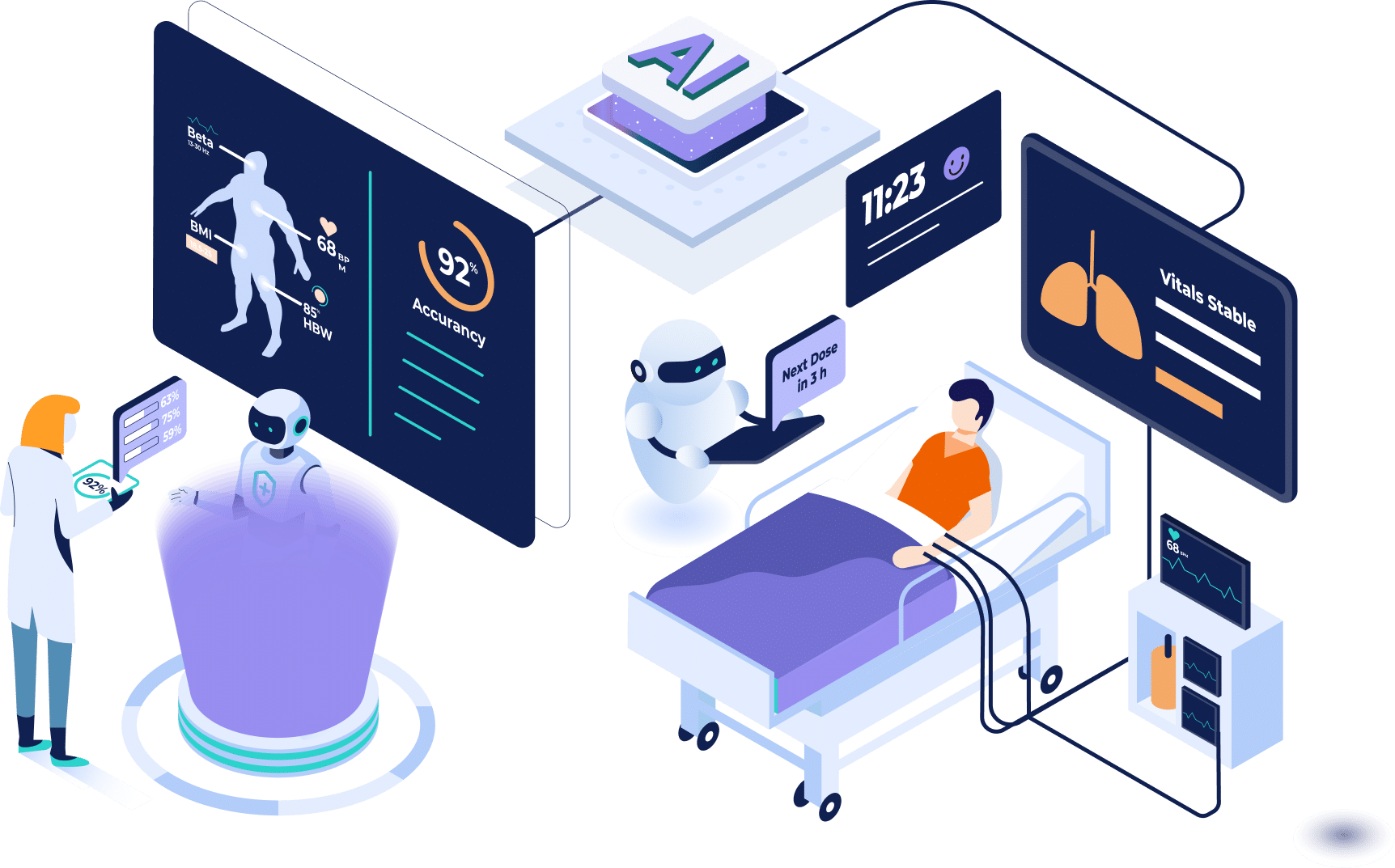
AI-powered early warning systems, predictive deterioration models, and sepsis detection platforms — delivering measurable clinical outcomes like the 68% reduction in sepsis mortality achieved at Tampa General.
HIPAA-compliant generative AI tools that automate clinical note-taking, documentation, and patient communication — freeing clinicians from administrative burden while keeping PHI within secure, governed environments.
Predictive analytics for inpatient demand, OR scheduling optimization, and AI-powered staffing models — purpose-built for high-occupancy systems managing volume growth and seasonal surges.
Remote patient monitoring, predictive health deterioration models, and AI-powered care coordinator tools — enabling post-acquisition technology integration for home health and telehealth expansion strategies.
Discover fresh perspectives with our collection of industry-focused blogs.
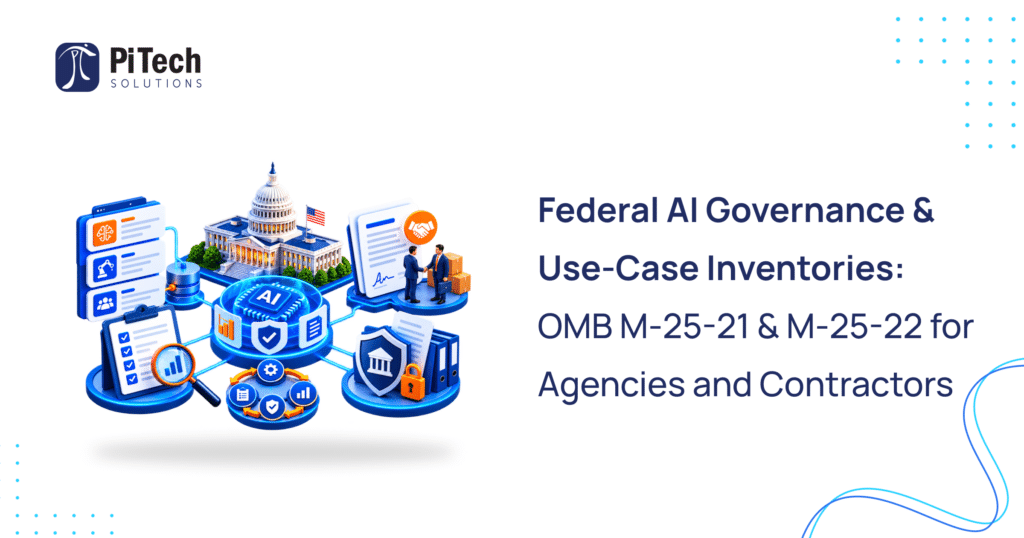
Two memos set the federal AI baseline On 3 April 2025, the Office of Management and Budget

Oversight without the questions Boards in regulated industries now carry real accountability for AI oversight, from supervisory expectations that tie

You buy the AI risk with the company An acquisition transfers more than products, people, and revenue. It transfers the
Agents do not log in; they authenticate as machines When a person uses a system, they sign in under a
4000 Sancar Way, Suite 205, Durham, NC 27709